

ประกันภัยรถยนต์ชั้น1เป็นแผนประกันที่มีระดับความคุ้มครองที่สูงสุดสำหรับรถยนต์ของคุณ แผนประกันชั้นนี้มักมีความคุ้มครองที่ครอบคลุมและครอบคลุมอย่างเข้มงวด ด้วยข้อความคุ้มครองที่ครอบคลุมอย่างละเอียดและชัดเจน ต่อไปนี้คือบรรยายเกี่ยวกับแผนประกันภัยรถยนต์ชั้น 1 และความสำคัญของมัน ความคุ้มครองต่อความเสียหายจากอุบัติเหตุ แผนประกันภัยรถยนต์ชั้น 1 มักมีความคุ้มครองสำหรับความเสียหายที่เกิดจากอุบัติเหตุทุกประเภท ไม่ว่าจะเป็นการชนกันระหว่างรถ, การชนกับวัตถุอื่น, หรือการล้มลง คุ้มครองสำหรับความเสียหายทั้งทางร่างกายและทรัพย์สินของคุณ ประกันภัยรถยนต์ชั้น1แผนประกันชั้นนี้มีความคุ้มครองที่ครอบคลุมและครอบคลุมอย่างเข้มงวด ความคุ้มครองต่อการละเมิดความรับผิด แผนประกันภัยรถยนต์ชั้น1 มักมีความคุ้มครองสำหรับการชดเชยค่าเสียหายที่เกิดจากการละเมิดความรับผิดต่อบุคคลภายนอก เช่น ค่าซ่อมแซม, ค่ารักษาพยาบาล, และค่าชดเชยทรัพย์สิน ความคุ้มครองสำหรับการถูกโจรกรรมหรือการโจรกรรม แผนประกันภัยรถยนต์ชั้น 1 มักมีการคุ้มครองสำหรับการถูกโจรกรรมหรือการโจรกรรม รวมถึงการสูญเสียหรือการบุกรุกที่เกิดขึ้นกับรถของคุณ บริการช่วยเหลือฉุกเฉิน บางบริษัทประกันยังมีบริการช่วยเหลือฉุกเฉินตลอด 24
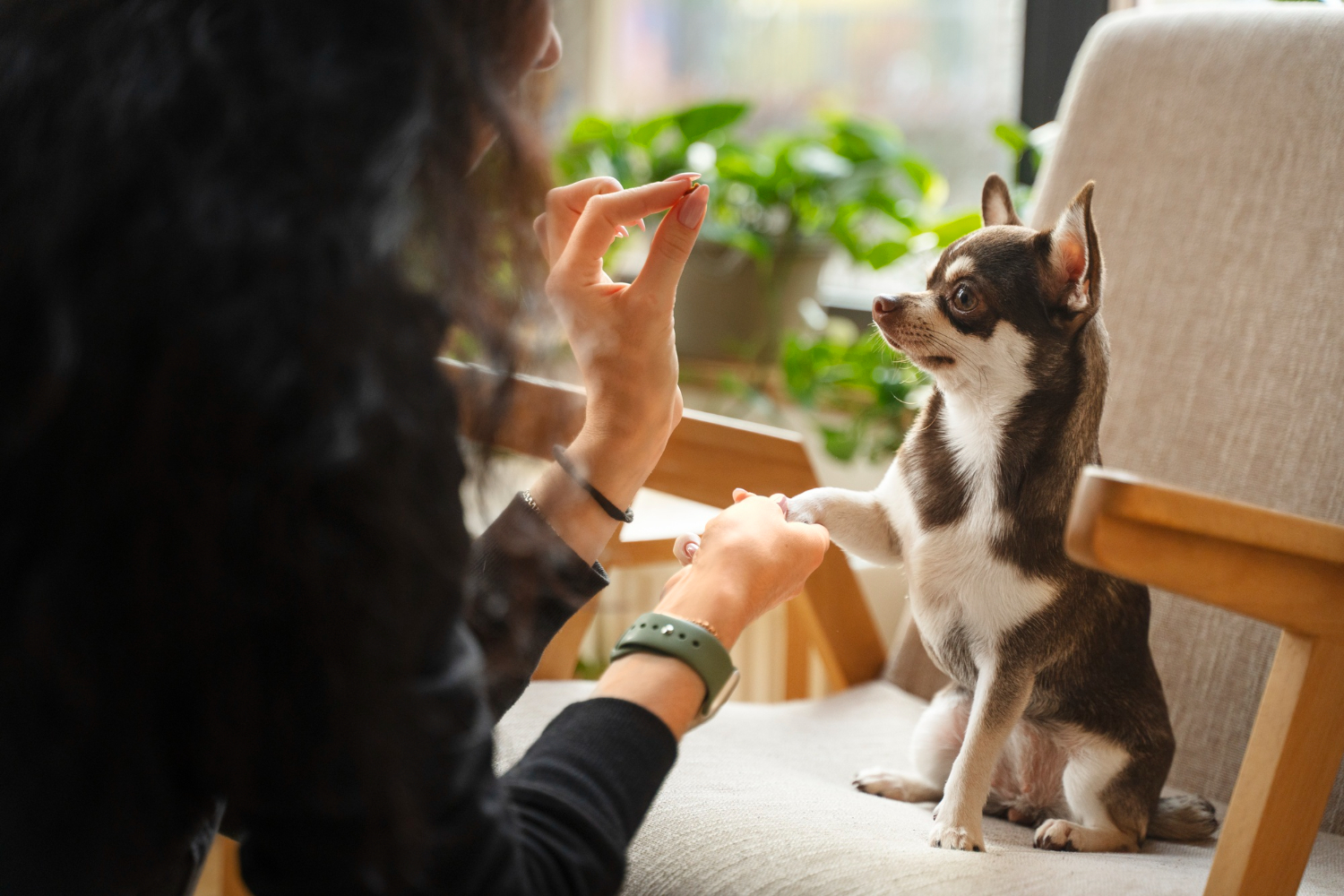
การฝึกสอนสัตว์เลี้ยง: เทคนิคและวิธีการที่มีประสิทธิภาพการฝึกสอนสัตว์เลี้ยง: เทคนิคและวิธีการที่มีประสิทธิภาพ
การมีสัตว์เลี้ยงเป็นเพื่อนคู่ใจนั้นนับเป็นความสุขอย่างหนึ่งในชีวิต แต่หากสัตว์เลี้ยงเหล่านั้นขาดการฝึกสอนให้มีพฤติกรรมที่ดี มันก็อาจกลายเป็นปัญหาที่น่ารำคาญได้ การฝึกสอนสัตว์เลี้ยงให้มีวินัย เชื่อฟังคำสั่งของเจ้าของ รวมถึงมีพฤติกรรมที่เหมาะสมเมื่ออยู่ในสังคมจึงเป็นเรื่องสำคัญที่ไม่ควรมองข้าม ซึ่งต้องอาศัยเทคนิคและวิธีการที่ถูกต้องเหมาะสม 1.หลักการพื้นฐานในการฝึกสอนสัตว์เลี้ยง หลักการพื้นฐานที่สำคัญที่สุดในการฝึกสอนสัตว์เลี้ยงคือ ความอดทน ความสม่ำเสมอ และความเข้าใจในธรรมชาติของสัตว์เลี้ยงแต่ละประเภท การฝึกสอนด้วยความรู้สึกหงุดหงิดหรือใช้อารมณ์ย่อมไม่ได้ผล ควรยึดหลักการให้รางวัลเมื่อสัตว์เลี้ยงทำในสิ่งที่ถูกต้อง ด้วยการให้ขนมหรือคำชม และหลีกเลี่ยงการลงโทษทางกายซึ่งจะทำให้สัตว์เกิดความกลัวและเครียด แทนที่จะใช้วิธีการเสริมแรงทางลบแบบนุ่มนวล เช่น เพิกเฉยหรือพลิกสถานการณ์ไปในทางบวก 2.เทคนิคการฝึกสอนสำหรับสุนัขและแมว แม้สุนัขและแมวจะเป็นสัตว์เลี้ยงที่คนนิยมเลี้ยงมากที่สุด แต่ทั้งสองก็มีความแตกต่างกันทั้งในเรื่องของนิสัยและวิธีการเรียนรู้ค่อนข้างมาก สำหรับสุนัข การเริ่มต้นฝึกสอนควรทำตั้งแต่เป็นลูกสุนัขอายุ 8 สัปดาห์ขึ้นไป โดยใช้คำสั่งที่สั้น กระชับ ชัดเจน และให้รางวัลแก่สุนัขทันทีที่ทำตามสิ่งที่สั่ง
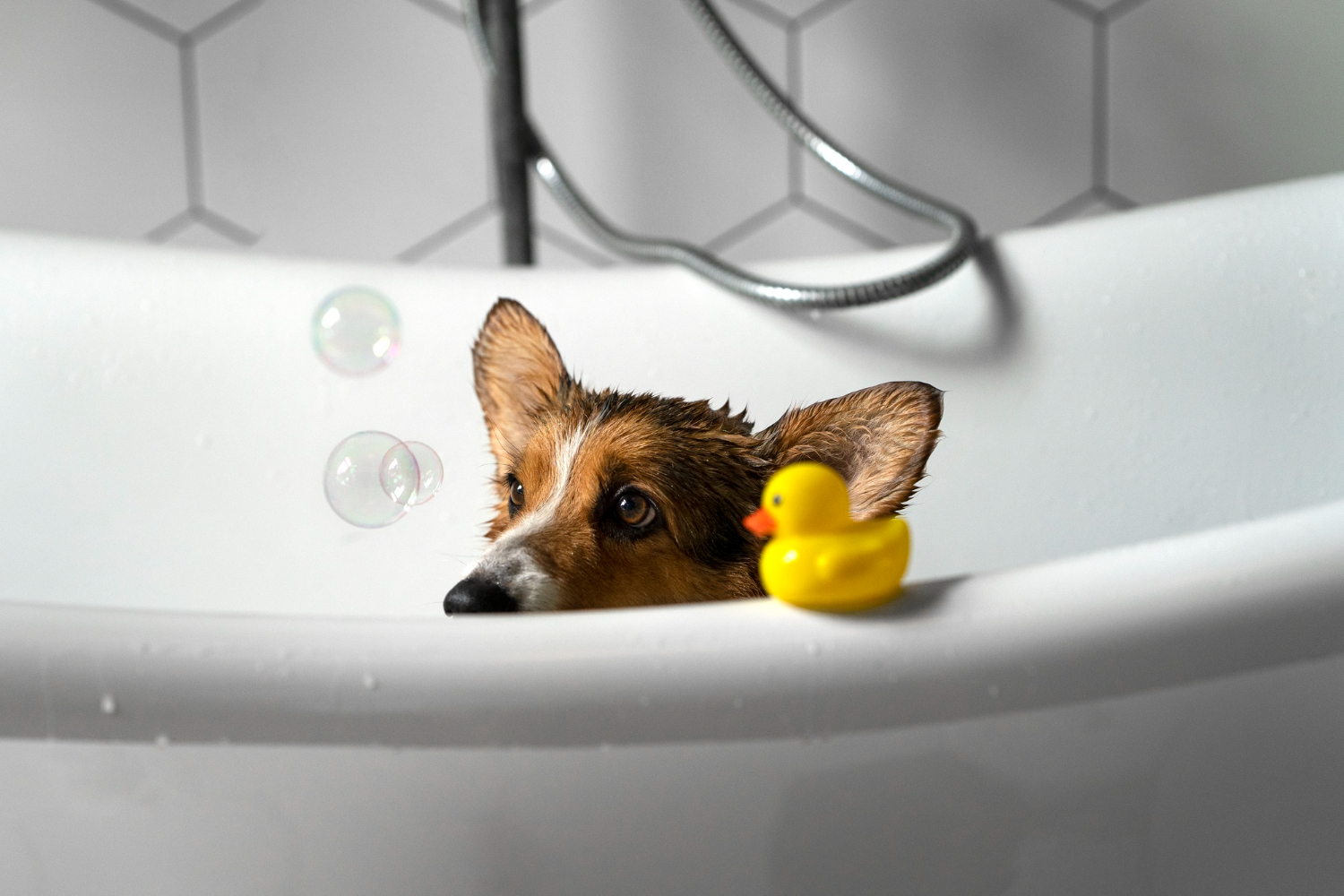
วิธีการเลือกสบู่และเจลอาบน้ำที่เหมาะสำหรับสัตว์เลี้ยงของคุณวิธีการเลือกสบู่และเจลอาบน้ำที่เหมาะสำหรับสัตว์เลี้ยงของคุณ
การดูแลรักษาสัตว์เลี้ยงให้สะอาดและมีสุขอนามัยที่ดีนั้นเป็นเรื่องสำคัญ นอกเหนือจากการแปรงขนและทำความสะอาดที่นอนแล้ว การอาบน้ำเป็นสิ่งที่จำเป็นสำหรับสัตว์เลี้ยงบางสายพันธุ์ ด้วยการเลือกใช้สบู่และเจลอาบน้ำที่เหมาะสม จะช่วยให้ขนสวยและผิวหนังแข็งแรง รวมทั้งไม่ระคายเคืองต่อสัตว์เลี้ยง 1.คุณสมบัติของสบู่และเจลอาบน้ำที่ดีสำหรับสัตว์เลี้ยง หนึ่งในคุณสมบัติสำคัญที่ควรพิจารณาคือความเป็นกลางของสบู่และเจลอาบน้ำ โดยควรมีค่า pH อยู่ในช่วง 6.5-7.5 เพื่อไม่ให้ทำลายรังไขมันบนผิวหนัง นอกจากนี้ควรเลือกใช้ผลิตภัณฑ์ที่ไม่มีกลิ่นแรงหรือมีกลิ่นอ่อนๆ เนื่องจากกลิ่นแรงอาจทำให้สัตว์เลี้ยงไม่สบายได้ สารกันเชื้อรา แอลกอฮอล์ และน้ำหอมสังเคราะห์ก็เป็นสิ่งที่ควรหลีกเลี่ยงเช่นกัน เพราะสัตว์เลี้ยงอาจแพ้หรือระคายเคืองได้ 2.เลือกสบู่และเจลอาบน้ำตามประเภทของสัตว์เลี้ยง ประเภทของสัตว์เลี้ยงมีความแตกต่างกัน ดังนั้นสบู่และเจลอาบน้ำที่เหมาะสมก็แตกต่างกันด้วย สำหรับสุนัขขนาดใหญ่และมีขนหนา ควรเลือกใช้สบู่หรือเจลอาบน้ำที่มีฤทธิ์ขจัดคราบสกปรกได้ดี แต่ไม่แรงเกินไปจนทำให้ผิวหนังแห้งกร้าน ส่วนสุนัขขนาดเล็กและแมวอาจต้องการสบู่หรือเจลอาบน้ำที่อ่อนโยนกว่า เพื่อป้องกันการระคายเคืองต่อผิวหนังบอบบาง 3.ข้อควรระวังในการใช้สบู่และเจลอาบน้ำกับสัตว์เลี้ยง แม้ว่าสบู่และเจลอาบน้ำจะออกแบบมาสำหรับสัตว์เลี้ยงโดยเฉพาะ แต่ก็ยังมีข้อควรระวังบางประการที่ต้องคำนึงถึง
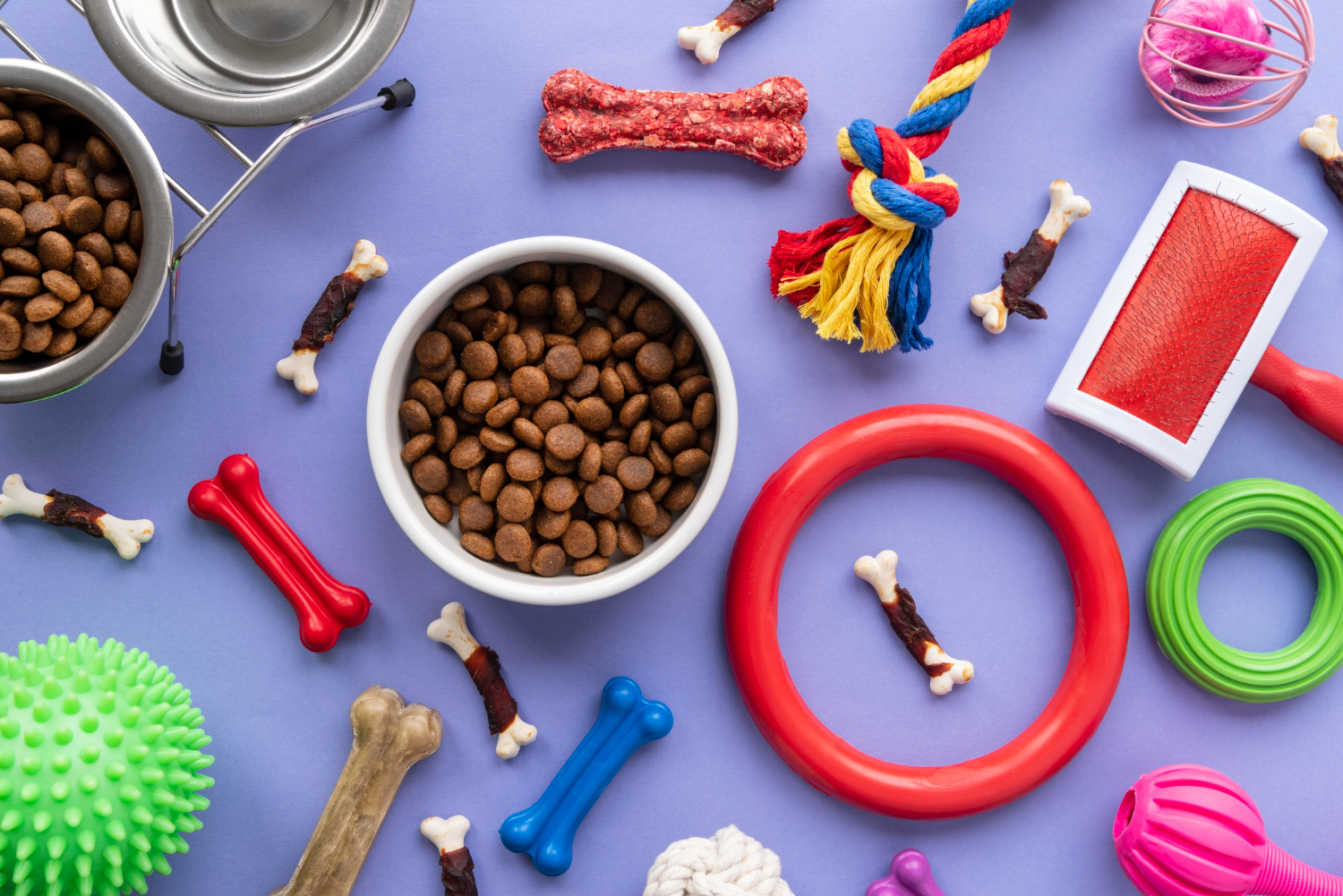
เคล็ดลับในการเลือกซื้ออุปกรณ์สำหรับสัตว์เลี้ยงเคล็ดลับในการเลือกซื้ออุปกรณ์สำหรับสัตว์เลี้ยง
สำหรับใครที่มีสัตว์เลี้ยงเป็นเพื่อนรักในบ้าน การเลือกซื้ออุปกรณ์ที่เหมาะสมเป็นสิ่งสำคัญมาก เนื่องจากจะส่งผลโดยตรงต่อความสุขสบายและสุขภาพของสัตว์เลี้ยงที่รัก อุปกรณ์ที่ดีจะช่วยให้คุณดูแลสัตว์เลี้ยงได้อย่างมีประสิทธิภาพ สร้างความสนุกสนานให้กับทั้งคุณและสัตว์เลี้ยง และยังเป็นการสร้างความผูกพันที่แน่นแฟ้นระหว่างคุณกับสัตว์เลี้ยงมากยิ่งขึ้น อีกทั้งการเลือกใช้อุปกรณ์ที่เหมาะสมยังช่วยประหยัดเวลาและแรงงานในการดูแลอีกด้วย บทความนี้จะนำเสนอเคล็ดลับสำคัญในการเลือกซื้ออุปกรณ์สำหรับสัตว์เลี้ยงที่เหมาะสมที่สุด 1.พิจารณาสายพันธุ์ ขนาด และพฤติกรรมของสัตว์เลี้ยง ขั้นตอนแรกในการเลือกซื้ออุปกรณ์สำหรับสัตว์เลี้ยง คือการพิจารณาถึงสายพันธุ์ ขนาด และพฤติกรรมของสัตว์เลี้ยงของคุณ เพราะแต่ละชนิด ขนาด และนิสัยจะต้องการอุปกรณ์ที่แตกต่างกันออกไป ตัวอย่างเช่น อุปกรณ์สำหรับสุนัขขนาดเล็กจะแตกต่างจากสุนัขขนาดใหญ่ หรืออุปกรณ์สำหรับแมวจะต้องมีความแตกต่างจากสัตว์เลี้ยงประเภทอื่น นอกจากนั้น พฤติกรรมของสัตว์เลี้ยงก็มีผลต่อการเลือกอุปกรณ์เช่นกัน เช่น สุนัขบางสายพันธุ์อาจชอบเคี้ยวกัดของเล่น จึงควรเลือกของเล่นที่มีความแข็งแรงทนทาน 2.ให้ความสำคัญกับความปลอดภัยและคุณภาพเป็นอันดับแรก ความปลอดภัยและคุณภาพเป็นปัจจัยสำคัญที่ต้องพิจารณาเมื่อเลือกซื้ออุปกรณ์สำหรับสัตว์เลี้ยง เพราะสิ่งเหล่านี้มีผลโดยตรงต่อสวัสดิภาพของสัตว์เลี้ยงที่คุณรัก อุปกรณ์ที่ดีควรมีความแข็งแรงทนทาน